

AI Cyber Attacks: How Hackers Use Artificial Intelligence
AI cyber attacks are becoming an important part of today’s cybersecurity landscape. Hackers and...
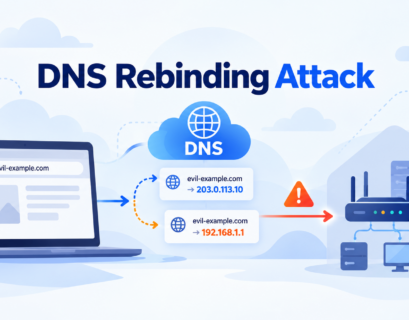
DNS Rebinding Attack: How It Works and How to Prevent It
A DNS rebinding attack tricks a web browser into accessing devices and services on a private network. Attackers manipulate DNS responses to...
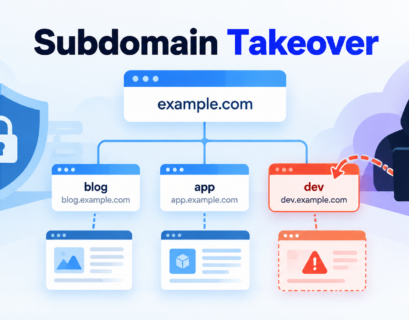
Subdomain Takeover: What It Is and How to Prevent It
Subdomain Takeover happens when an attacker gains control of a subdomain that still points to an external service or resource that is no...
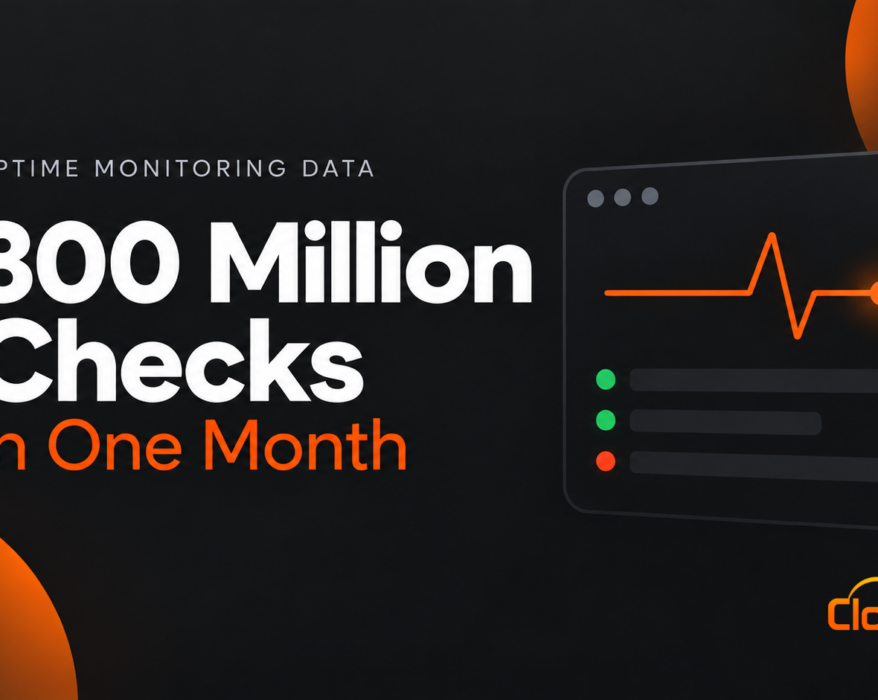
Inside Our Uptime Monitoring Data: 300 Million Checks in One Month
Uptime monitoring usually works quietly in the background. Checks run, services respond, and most...
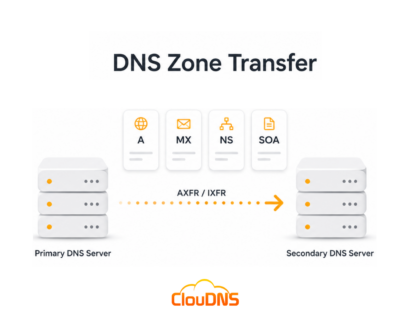
DNS zone transfer and zone file (Updated)
We have already covered the bases of DNS, so you know what it is and how does it work. This article will help you understand one of...

DNS best practices
You cannot imagine the internet without DNS. There is almost no service that doesn’t depend on DNS technology. E-mails, VoIP, web...
DNSSEC, the DNS Security extension
The Domain Name System Security Extension (DNSSEC) is a powerful tool designed to protect both you...
Can we use free DNS? Free DNS vs. Premium
Choosing the right DNS service is more important than many website owners realize. Whether you’re launching a personal blog or...
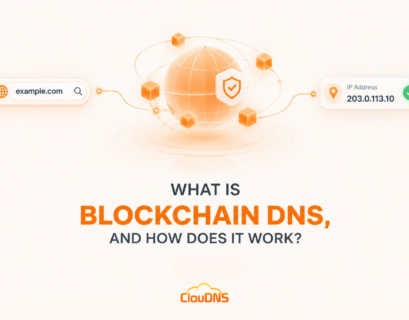
What is Blockchain DNS, and how does it work?
For decades, the Domain Name System has helped us reach websites without memorizing long IP addresses. Type a domain name, DNS finds the...
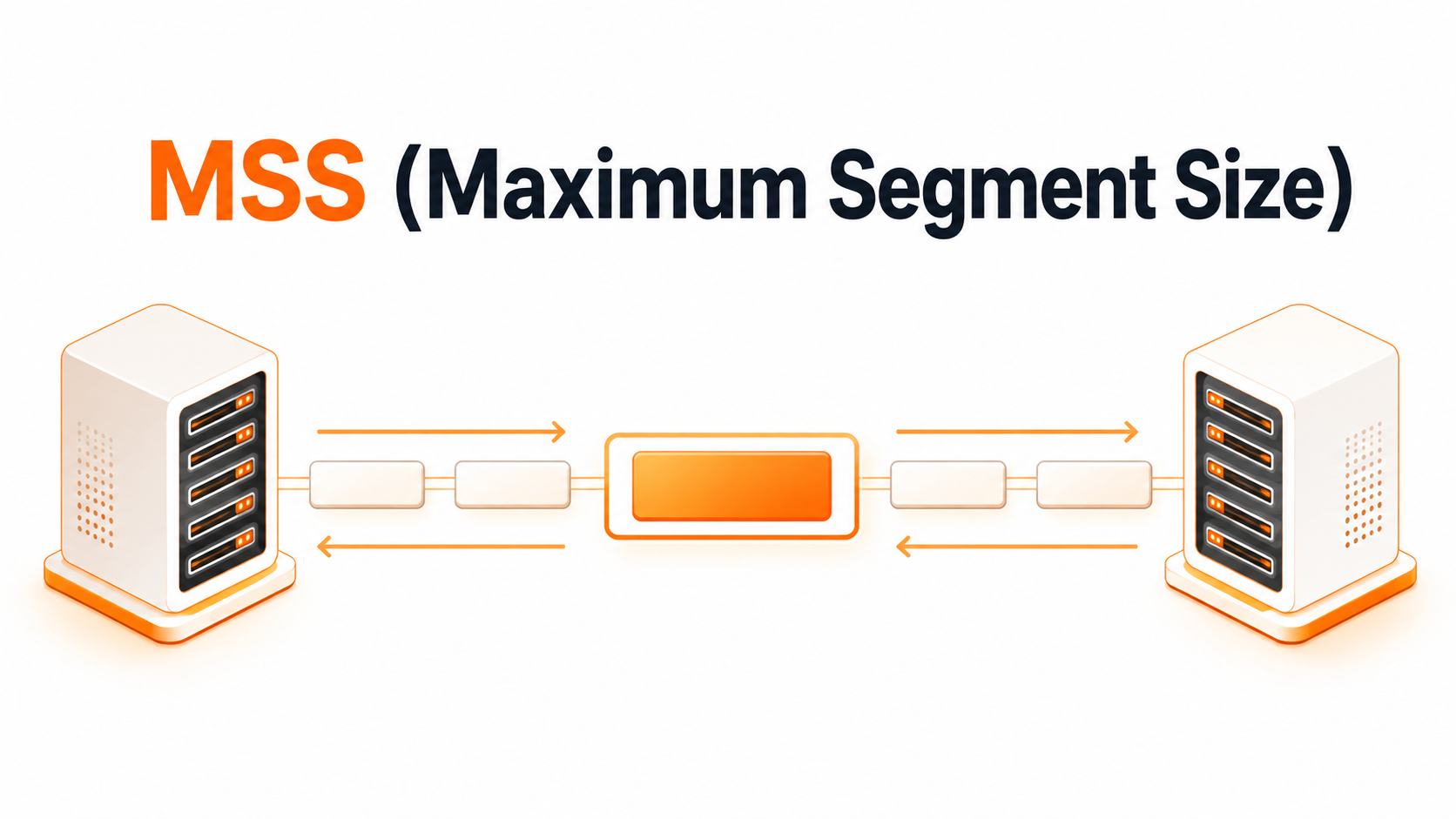
MSS (Maximum Segment Size): What It Is and How It Works
MSS (Maximum Segment Size) is the largest amount of application data that a device can place inside...